Dual Band vs Tri-Band Wi-Fi: A Complete 2026 Guide to Performance, Speed, and Real-World Usage

Dual Band vs Tri-Band Wi-Fi: A Complete 2026 Guide to Performance, Speed, and Real-World Usage

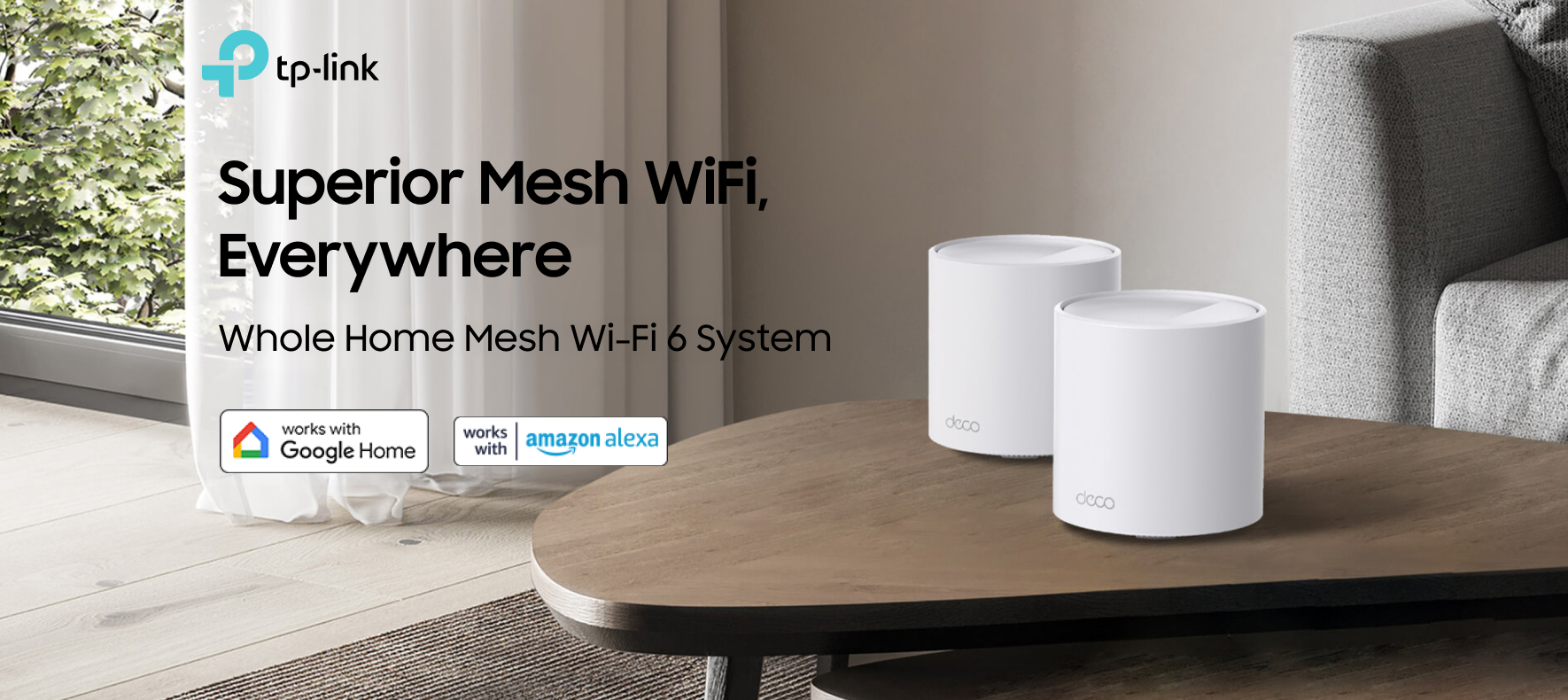
Choosing the right Wi-Fi configuration is no longer a basic decision. With increasing internet speeds, smart homes, remote work, and high-bandwidth applications, the difference between dual-band and tri-band Wi-Fi directly impacts your daily digital experience.

Whether you're upgrading your home network or setting up a new system, understanding how these technologies work will help you make a smarter, future-ready decision.

Explore the latest range of TP-Link routers, mesh systems, and accessories here:
https://electronyat.qa/en/tp-link

The Evolution of Wi-Fi Bands

Modern Wi-Fi operates across multiple frequency bands. Each band behaves differently based on physics, interference, and bandwidth availability.

1. The 2.4 GHz Band: Coverage First, Speed Second

The 2.4 GHz band has been the foundation of wireless networking for years. It is designed for range and stability, not speed.

  • Covers larger areas with fewer dead zones
  • Penetrates walls, furniture, and obstacles effectively
  • More prone to interference (Bluetooth devices, microwaves, older routers)
  • Lower data transfer speeds compared to higher bands

This band is still essential for:

  • IoT devices (smart bulbs, cameras, sensors)
  • Devices far from the router
  • Basic connectivity needs

2. The 5 GHz Band: Speed and Efficiency

The 5 GHz band introduced a major leap in performance.

  • Higher data transfer speeds
  • Lower latency
  • More channels, reducing congestion
  • Shorter range compared to 2.4 GHz

Ideal for:

  • Streaming (HD and 4K)
  • Online gaming
  • Video conferencing
  • Laptops, smartphones, and TVs close to the router

3. The 6 GHz Band: The Future of Wireless (Wi-Fi 6E / Wi-Fi 7)

The newest addition, 6 GHz, is designed for high-performance, low-latency environments.

  • Massive bandwidth availability
  • Minimal interference
  • Extremely high speeds
  • Requires compatible devices

Best suited for:

  • 8K streaming
  • AR/VR applications
  • Cloud gaming
  • High-performance workstations

What is Dual-Band Wi-Fi?

Dual-band routers operate on two frequency bands simultaneously: 2.4 GHz and 5 GHz.

They intelligently assign devices to the appropriate band depending on:

  • Distance from the router
  • Bandwidth requirement
  • Signal strength

How Dual-Band Works in Practice

In a typical home:

  • Smart devices connect to 2.4 GHz
  • High-speed devices (phones, laptops) use 5 GHz

This division helps balance performance, but there are limitations when too many devices compete for bandwidth.

Advantages of Dual-Band

  • Cost-effective solution
  • Suitable for most households
  • Good balance between speed and coverage
  • Easy to set up and manage

Limitations of Dual-Band

  • Limited bandwidth under heavy load
  • Performance drops with many connected devices
  • Not ideal for high-density environments

What is Tri-Band Wi-Fi?

Tri-band routers introduce a third frequency band, typically:

  • 2.4 GHz
  • 5 GHz
  • Additional 5 GHz or 6 GHz band

This extra band acts as an additional “lane” for data, significantly improving performance in busy networks.

How Tri-Band Works in Practice

Instead of all high-speed devices competing on one 5 GHz band:

  • Devices are distributed across two high-speed bands
  • Traffic is balanced more efficiently
  • Congestion is reduced

In mesh systems, the third band is often used as a dedicated backhaul channel, allowing nodes to communicate without affecting user performance.

Advantages of Tri-Band

  • Superior multi-device performance
  • Reduced congestion
  • Better speed consistency
  • Optimized for smart homes and large spaces
  • Ideal for Wi-Fi 6E and Wi-Fi 7 ecosystems

Limitations of Tri-Band

  • Higher cost
  • May be unnecessary for small households
  • Requires proper placement for maximum benefit

Cost vs Performance: Is Tri-Band Worth It?

Dual-Band Value

  • Affordable
  • Meets most basic needs
  • Ideal for budget-conscious users

Tri-Band Value

  • Premium pricing
  • Long-term investment
  • Better scalability
  • Future-proof for upcoming technologies

How to Choose the Right Configuration

Choose Dual-Band if:

  • You live in a small or medium-sized home
  • You have fewer than 10–12 devices
  • Your usage is moderate
  • Budget is a concern

Choose Tri-Band if:

  • You have a large home or multiple floors
  • You have 15–20+ devices
  • You rely on stable, high-speed internet
  • You use gaming, streaming, or smart home systems
  • You want long-term performance without upgrading frequently

Practical Buying Recommendations

From the TP-Link ecosystem:

  • Dual-band routers are ideal for entry-level setups
  • Wi-Fi 6 dual-band routers provide a strong balance of performance and cost
  • Tri-band mesh systems are best for large homes and heavy usage
  • Wi-Fi 7 tri-band systems are the most future-ready option

Browse all available models here:
https://electronyat.qa/en/tp-link


Final Thoughts

The decision between dual-band and tri-band Wi-Fi is not just about speed—it’s about how efficiently your network handles real-world usage.

Dual-band remains a practical choice for everyday users, offering a solid balance of cost and performance. However, as the number of connected devices and data demands continue to grow, tri-band systems are becoming the standard for high-performance environments.

If your goal is to build a network that can handle current demands while staying ready for future technologies, tri-band Wi-Fi is the more scalable and reliable choice.


Search engine powered by ElasticSuite Copyright © 2013-present Magento, Inc. All rights reserved.