
Kitchen & Home Upgrade: Dishwashers, Cooking Ranges & Dyson


What upgrades save the most water, energy, and cleaning time at home?
A dishwasher, an induction cooking range, and a Dyson cyclone vacuum together cut water use, cooking energy, and manual cleaning time in a single kitchen and home upgrade. Each appliance solves a different daily task, but all three replace manual, energy-heavy methods with measured, repeatable performance. Qatar households running full kitchens and villas benefit from comparing exact water, energy, and filtration figures before upgrading, rather than replacing appliances on habit alone.
How much water does a dishwasher save compared to hand washing?
A dishwasher uses 926ml of water per place setting on a main wash cycle, compared to 4.5 litres used washing the same setting by hand. That is close to 80% less water per wash, based on independent testing by UK consumer body Which?. An eco-mode cycle lowers water use further, to 696ml per place setting, an 84% reduction against hand washing. Across 14 place settings, a full dishwasher cycle uses roughly 13 litres of water, against 63 litres for the same load washed by hand. Energy use per wash sits near 1.12kWh, while heating a 9-litre bowl of water by hand for washing costs a comparable amount per smaller load, meaning larger loads favour the dishwasher on both water and energy. Over a dishwasher's lifetime, energy use accounts for 67% of its total environmental impact, manufacturing accounts for 17%, water accounts for 5%, and detergent, salt, and rinse aid combine for 13%.
How many place settings do dishwashers hold?
Full-sized dishwashers hold up to 16 place settings per cycle. Slimline models hold 8 to 11 place settings. Compact countertop models hold 4 to 6 place settings. Matching capacity to household size prevents part-loading, which raises water and energy use per plate washed.
Is an induction cooking range more efficient than a gas range?
An induction cooking range is up to three times more efficient than a gas range and up to 10% more efficient than a standard electric coil range, according to the U.S. Department of Energy. Induction cooktops boil water 20% to 40% faster than tested gas and traditional electric cooktops, based on Consumer Reports testing. Gas ranges release nitrous oxides, carbon monoxide, and formaldehyde into indoor air during combustion, pollutants absent from induction cooking. A 2022 U.S. study attributed 12.7% of current childhood asthma cases to gas stove use in the home. Induction cooking ranges also keep cooktop surfaces cooler to the touch than gas or electric coil models, cannot be switched on accidentally, and shut off automatically when cookware is removed from the surface.
What does Dyson's cyclone technology do differently from a standard vacuum?
Dyson's cyclone technology spins air at up to 79,000 Gs of centrifugal force, separating dust and microscopic particles from the airflow without a bag. The system captures 99.97% of particles as small as 0.3 microns, using six layers of whole-machine filtration in a fully sealed unit before releasing air back into the room. Because cyclone separation removes debris before it reaches the filter, suction performance does not decline the more the machine is used, unlike bagged vacuums that lose suction as the bag fills. High-end Dyson motors spin at 125,000 RPM, adding motor-driven suction on top of cyclone separation.
How do dishwashers, cooking ranges, and Dyson vacuums compare on efficiency?
| Appliance | Core efficiency metric | Key figure |
|---|---|---|
| Dishwasher (main wash) | Water use per place setting | 926ml vs 4.5L by hand |
| Dishwasher (eco mode) | Water reduction vs hand washing | 84% less |
| Induction cooking range | Efficiency vs gas range | Up to 3x more efficient |
| Induction cooking range | Boil speed vs gas/electric | 20–40% faster |
| Dyson vacuum | Particle capture rate | 99.97% at 0.3 microns |
| Dyson vacuum | Cyclone separation force | 79,000 Gs |
Which upgrade should a Qatar household prioritize first?
A household running large families or frequent entertaining gains the most from a full-sized dishwasher first, since capacity mismatch causes the biggest water and energy waste in daily use. A household cooking multiple meals a day gains the most from switching to an induction range first, since the 20–40% faster boil times and 3x efficiency gain compound across every cooking session. A household with pets, carpets, or sand tracked in from outdoors gains the most from a Dyson cyclone vacuum first, since consistent suction and 99.97% particle capture matter more in high-dust environments than in low-traffic homes.
Kitchen & home upgrade: the bottom line
Dishwashers, induction cooking ranges, and Dyson vacuums each cut a specific resource: water, cooking energy, and airborne dust, respectively. A kitchen and home upgrade built around measured figures, not marketing claims, starts with whichever resource costs the household the most time or money today.
About the Author

Related Posts
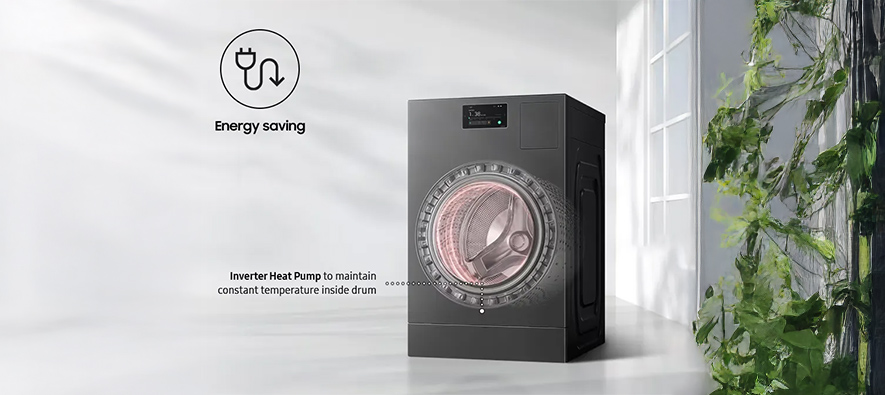
Experience the future of laundry with the Samsung 26kg/15kg Front Loading Washer & Dryer – Now in Stock!
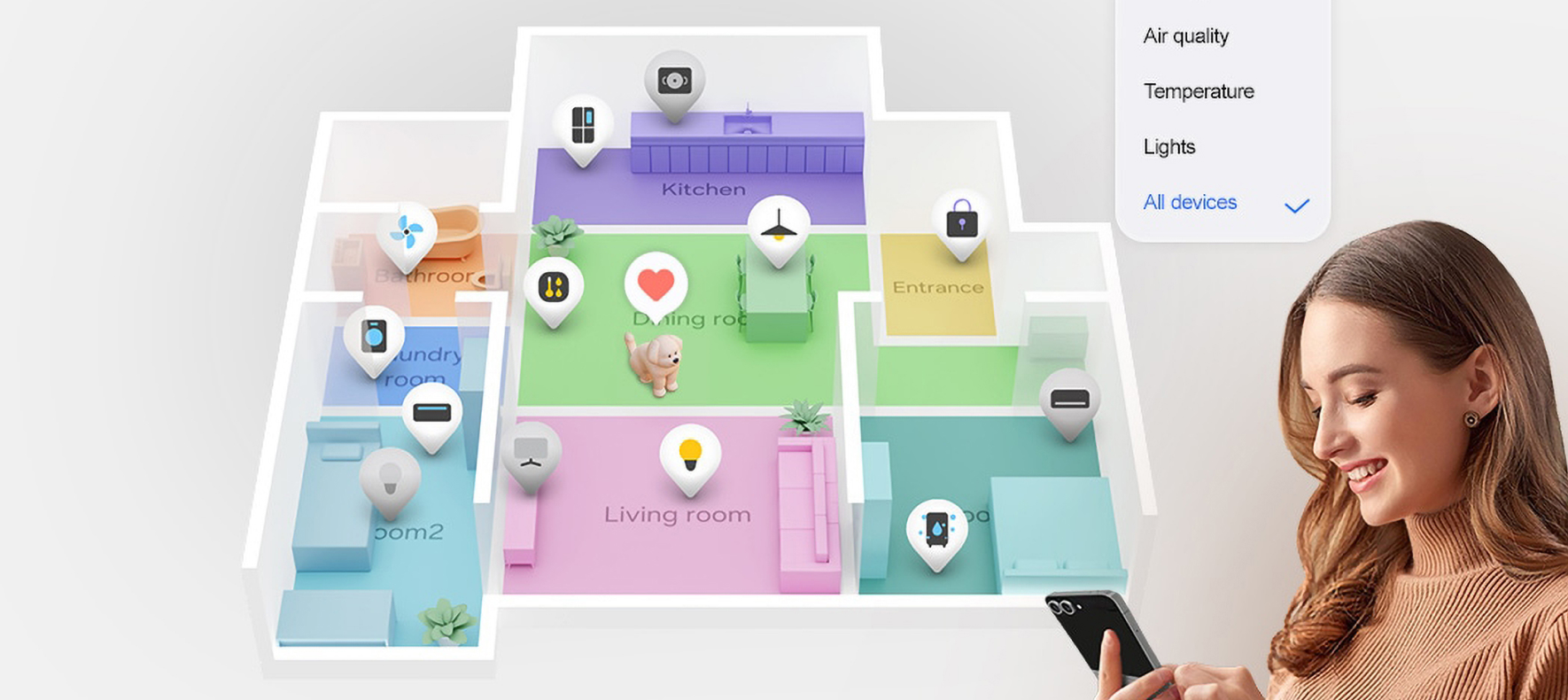
Embrace Smart Living: Simplifying Your Day-to-Day with Innovative Smart Technology Solutions
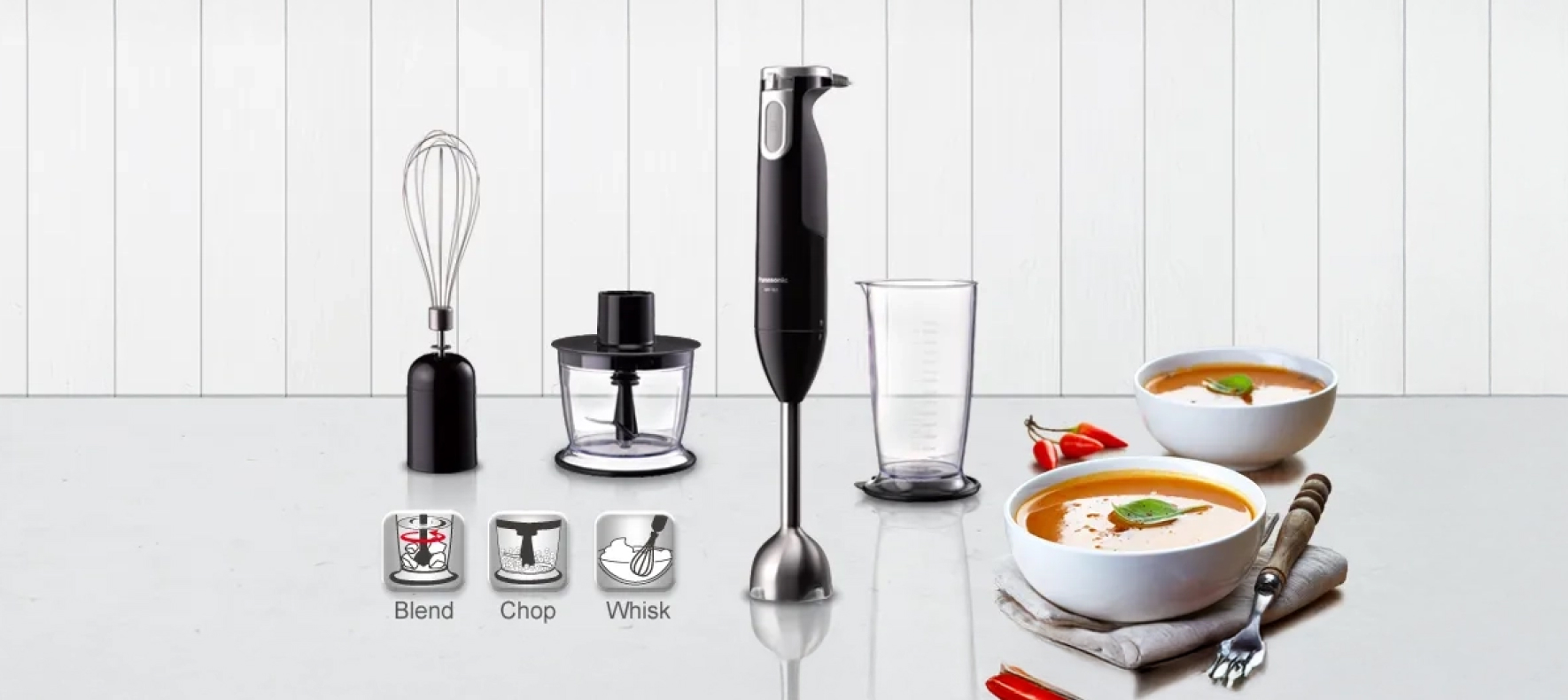
Best SDA Trends in Qatar Now Available at Electronyat.qa
The Best Home Appliances to Elevate Your Living Space in Qatar

How Home Appliances Save Time and Money