Samsung Galaxy S26 – In-Depth Camera System Review and Analysis

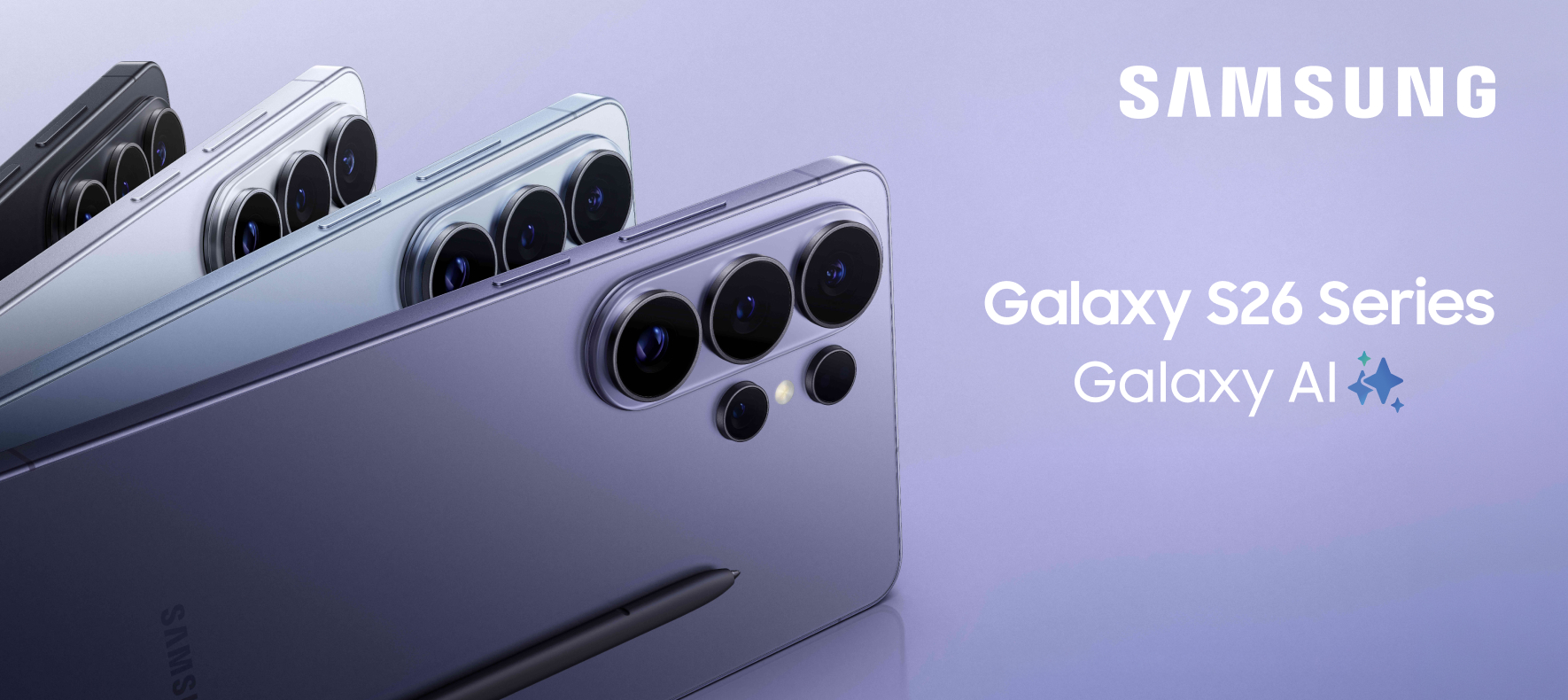
The Samsung Galaxy S26 arrives not just as a compact flagship, but as a capable imaging powerhouse designed to compete at the top of the smartphone photography space. With its refined triple-camera setup, advanced computational photography features, and improved video performance, the S26 aims to be as strong in daily shooting as it is in creative capture. This detailed blog breaks down every key aspect of the S26’s camera system — what’s new, how it performs in real life, and why it matters.
Overview of the Galaxy S26 Camera Philosophy
Samsung has long approached smartphone photography with a blend of high-quality hardware and intelligent software optimization. With the Galaxy S26, the company continues this strategy — aiming to provide balanced performance across daylight, low-light, portrait, zoom, and video capture. The system combines:
-
A high-resolution primary sensor for detail and dynamic range
-
An optical zoom telephoto for close subjects
-
A wide-angle lens for expansive scenes and group shots
-
Computational photography tools like Best Face and Horizon Lock
-
Advanced video capture with HDR10+ support
Samsung’s goal with the S26 camera is to produce consistently reliable and natural-looking results, with additional tools for creative flexibility.
Triple Rear Camera Setup – Hardware Breakdown
The Galaxy S26 uses a three-lens rear camera system configured as follows:
| Camera Module | Specification |
|---|---|
| Primary (Wide) | 50 MP, f/1.8, 24mm equivalent, 1/1.56″ sensor, 1.0µm pixels, Dual Pixel PDAF, OIS |
| Telephoto (Zoom) | 10 MP, f/2.4, 67mm equivalent, 3× optical zoom, PDAF, OIS |
| Ultra-Wide | 12 MP, f/2.2, 13mm equivalent, 120° field of view, 1.4µm pixels, Super Steady video |
Let’s examine what each of these modules contributes.
1. Primary Wide Camera – Everyday Performance
This is the workhorse of the Galaxy S26 camera system.
-
The 50 MP sensor offers detailed image capture with good dynamic range.
-
Dual Pixel PDAF enables fast and accurate autofocus.
-
Optical Image Stabilization (OIS) helps minimize blur in low light and in handheld video.
-
In most shooting scenarios, images are captured with pixel-binning, which merges pixels to enhance light gathering and reduce noise.
What this means in practice:
Most users can rely on this lens for the majority of scenes — portraits, landscapes, night skies, street photography, and more. The balance between resolution and noise control produces well-exposed images with natural color interpretation, especially in daylight.
2. Telephoto Lens – Zoom That Still Looks Good
The S26’s telephoto is designed for closer subjects.
-
10 MP resolution with 3× optical zoom gives reach without resorting to digital cropping.
-
PDAF ensures that autofocus remains responsive, even on moving subjects.
-
OIS helps stabilize shots at longer focal lengths.
Why this matters:
3× optical zoom is useful for portraits and distant subjects while retaining acceptable detail. Unlike digital zoom, optical zoom doesn’t degrade image quality by simply enlarging pixels.
3. Ultra-Wide Lens – Capturing the Bigger Picture
Samsung’s ultra-wide camera offers:
-
12 MP resolution with a very wide 120° field of view
-
Larger 1.4µm pixels for better low-light capture compared to many competitors
-
Super Steady video stabilization for smooth handheld videography
This lens accommodates wide group shots, architectural scenes, and creative perspectives.
Camera Features – Computational Enhancements
Hardware is just one half of the modern smartphone camera. Samsung pairs the optics with software and AI-driven tools designed to improve what you capture. Notable features include:
Best Face
When shooting group photos, the camera can analyze multiple frames to select the best expressions from each person — then combine them into a single ideal shot.
Horizon Lock
This feature automatically keeps photos and videos level with the horizon, even if your hand tilts or shakes. It’s particularly useful for smooth landscape capture or action shots.
Auto HDR
High dynamic range processing ensures balanced exposure in scenes with both deep shadows and bright highlights.
Panorama
Standard wide-format capture for sweeping landscapes or large group shots.
Photo Quality – What to Expect
Daylight Photography
Under bright light, the S26 delivers:
-
Accurate color with balanced contrast
-
Good exposure across shadows and highlights
-
Detailed textures without excessive sharpening
Daylight performance is reliable whether using the main or ultra-wide lens. The telephoto retains clarity at 3× optical zoom without introducing notable noise.
Low-Light Performance
In dim environments, the S26 uses its sensor size and computational tools to:
-
Reduce noise
-
Maintain color consistency
-
Improve detail in shadows
The 50 MP main sensor excels here, while the telephoto may be less effective in very low light due to its lower light sensitivity.
Portraits
Portrait mode uses depth information to isolate subjects from the background smoothly. Edge detection is generally accurate, and skin tones are rendered with a natural balance, avoiding oversmoothing.
Video Recording Capabilities
The Galaxy S26 offers strong videography features:
| Resolution | Frame Rates |
|---|---|
| 8K | 24/30 fps |
| 4K | 30/60 fps |
| 1080p | 30/60/120/240 fps |
Video Highlights:
-
10-bit HDR video capture for richer colors
-
HDR10+ support for compatible displays
-
Stereo audio recording
-
Gyro-based electronic stabilization
This makes the S26 suitable not just for stills, but for creative vloggers and mobile videographers alike.
Front Camera – Selfies and Video Calls
The front facing camera is a 12 MP unit with:
-
f/2.2 aperture
-
Dual Pixel PDAF for sharper focus
-
4K video at up to 60 fps
-
HDR and HDR10+ support
Selfies are detailed and natural, with good skin-tone reproduction and stable video features.
Comparison With Previous Generations
Compared to the Galaxy S25:
-
Brighter, more color-accurate display aids in framing and reviewing shots
-
More stable video capture with Horizon Lock and Super Steady improvements
-
Enhanced processing for better low-light performance
-
Smarter AI for scene detection and facial prioritization
Final Verdict – Camera Strengths and Considerations
Strengths:
-
Versatile camera hardware suitable for most users
-
Strong daylight performance with natural colors
-
Reliable optical zoom without quality loss
-
Effective ultra-wide for group and landscape shots
-
Advanced video features on par with best in class
-
Intelligent software tools for better everyday results
Considerations:
-
Telephoto performance is strong for 3× zoom, but doesn’t replace periscope lenses with higher zoom ranges found on larger models
-
Low-light detail on zoom and ultra-wide may be slightly lower than the main sensor
Conclusion
The Samsung Galaxy S26 camera system is tuned for everyday and creative photography alike. With a balanced set of lenses, powerful stabilization, HDR video, and intelligent shooting modes, it is a complete imaging platform that serves casual shooters and content creators alike. Whether you’re capturing sunsets, close-ups, portraits, or video content for social platforms, the S26 offers the tools needed for compelling results without unnecessary complexity.
If your priority is a flagship camera experience in a compact body without compromising quality, the Galaxy S26 firmly delivers on its promise.
About the Author