Instant Cameras Explained: A Beginner's Guide to Instant Photography in 2026

While smartphones have made photography more accessible than ever, instant cameras continue to attract photographers, travelers, students, and families who want something more tangible than digital memories.
There's something special about watching a photo develop in your hands moments after pressing the shutter button. Instant photography creates a unique experience that combines creativity, nostalgia, and real-world memories.
Whether you're new to instant photography or curious about why instant cameras are becoming popular again, this guide covers everything you need to know.
What Is an Instant Camera?
An instant camera is a camera that captures an image and prints a physical photograph almost immediately after the picture is taken.
Unlike digital cameras that store photos electronically, instant cameras produce a printed image using special instant film.
The photograph develops automatically, allowing users to hold a physical copy of their memory within minutes.
Why Are Instant Cameras Becoming Popular Again?
The resurgence of instant photography is driven by several factors.
Digital Fatigue
Most people take thousands of photos every year, but only a small percentage are ever printed or revisited.
Instant photography encourages users to focus on meaningful moments rather than endless photo storage.
Nostalgia Meets Modern Technology
Today's instant cameras combine vintage charm with modern features such as:
- Automatic exposure
- Selfie modes
- Smartphone connectivity
- Creative shooting options
- Improved image quality
This blend appeals to both younger and older generations.
Social Experiences
Instant cameras create interaction during events because people can immediately share physical photos instead of simply exchanging digital files.
How Does an Instant Camera Work?
Instant cameras use specially designed film that contains chemicals required for image development.
The process generally follows these steps:
- The shutter captures the image.
- The film is exposed to light.
- The photo is ejected from the camera.
- Development chemicals spread across the film.
- The image gradually appears.
Unlike traditional film photography, there is no need for darkrooms or separate processing.
Types of Instant Cameras
Traditional Instant Cameras
These cameras focus entirely on physical photography.
Characteristics include:
- Simple controls
- Fully analog experience
- Immediate printing
- No digital storage
Ideal for users who enjoy classic photography.
Hybrid Instant Cameras
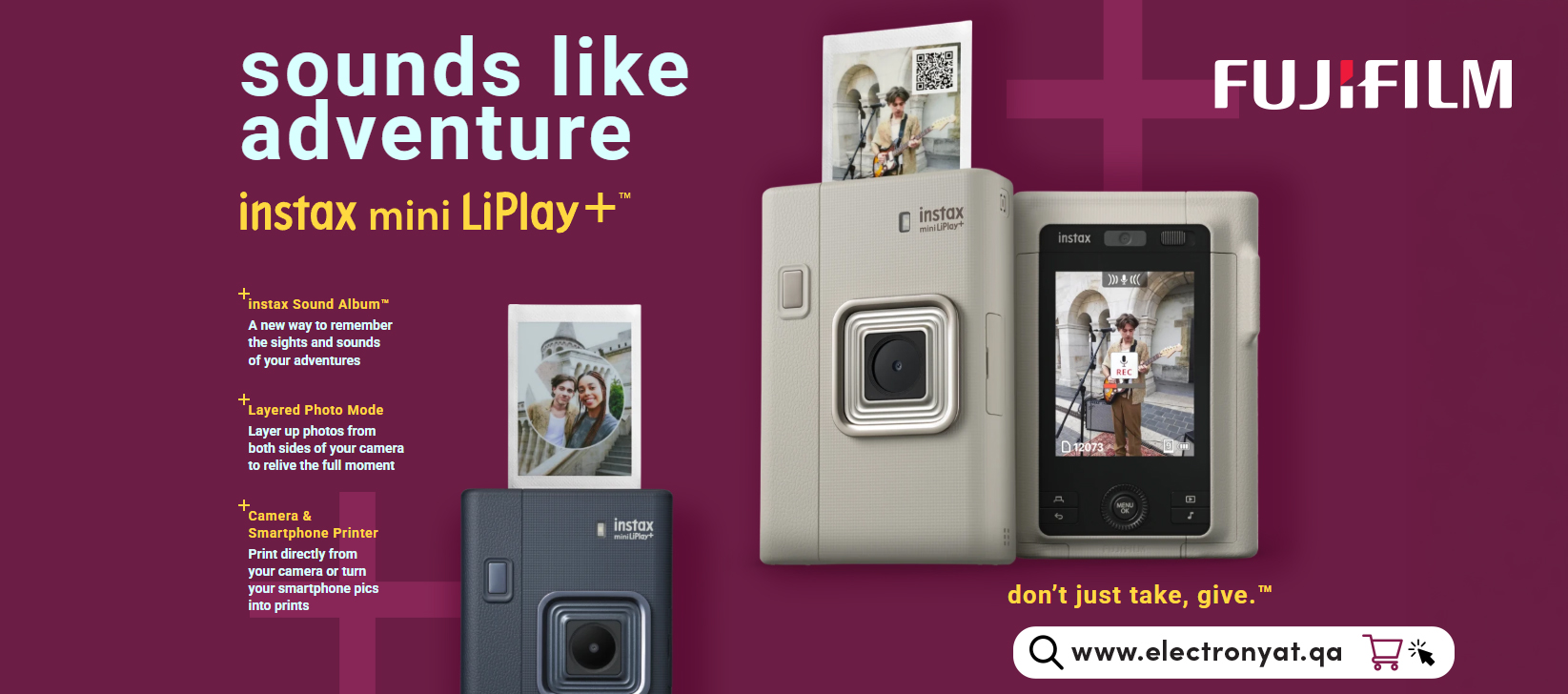
Hybrid models combine digital technology with instant printing.
Features often include:
- LCD screens
- Digital storage
- Smartphone connectivity
- Selective printing
Users can review photos before deciding which images to print.
Instant Camera Printers
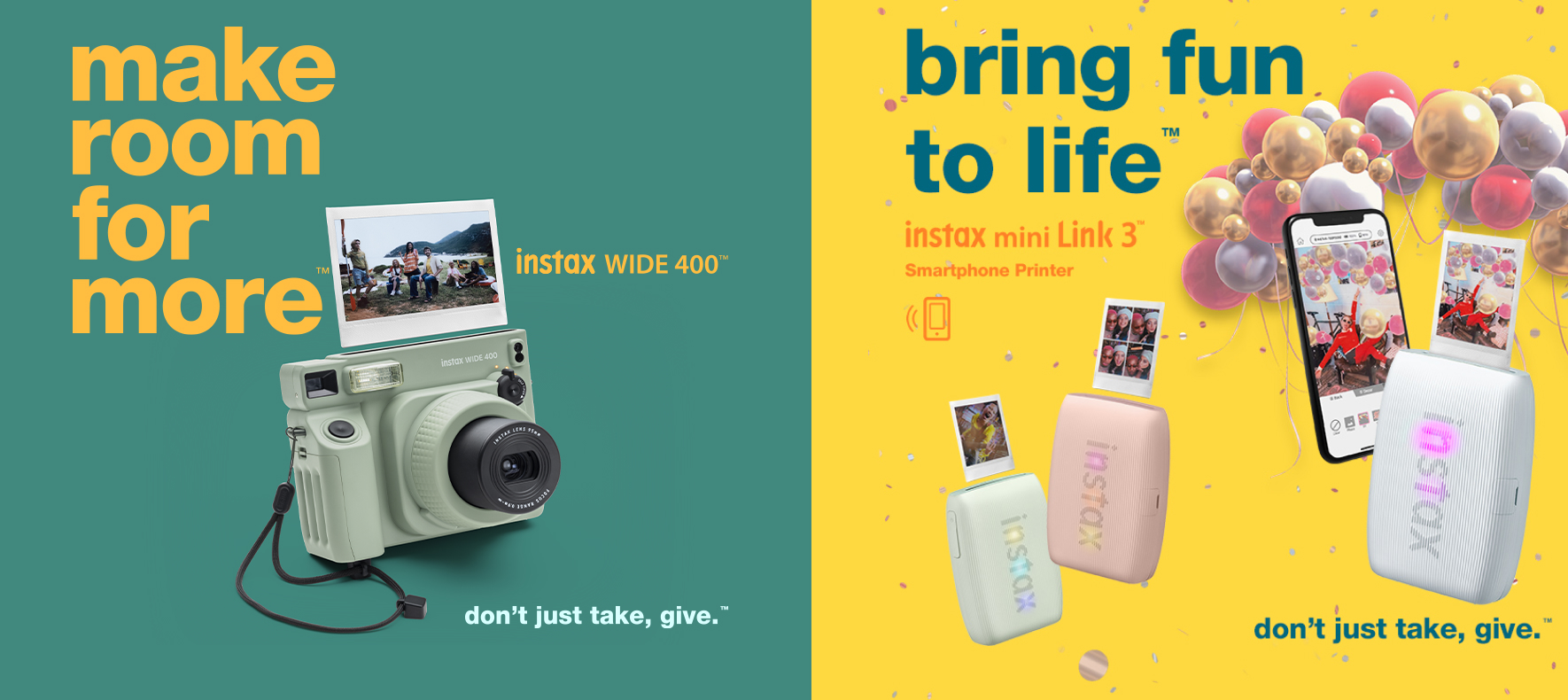
Some devices function as portable printers rather than standalone cameras.
These allow users to:
- Print smartphone photos
- Edit images before printing
- Add filters and borders
They are popular among social media enthusiasts.
Understanding Instant Film Formats
One of the most important aspects of instant photography is film size.
Mini Film
Best for:
- Everyday photography
- Students
- Casual users
Benefits:
- Compact prints
- Lower film costs
- Portable cameras
Square Film
Best for:
- Creative photography
- Social media content
- Artistic projects
Benefits:
- Balanced composition
- Distinctive appearance
Wide Film
Best for:
- Group photos
- Travel photography
- Landscapes
Benefits:
- Larger image area
- More visible details
Advantages of Instant Photography
Creates Physical Memories
Printed photographs often feel more meaningful than digital files stored on a device.
Many people use instant photos for:
- Scrapbooks
- Journals
- Memory walls
- Albums
Encourages Intentional Photography
With limited film available, photographers often become more selective about what they capture.
This helps improve:
- Composition skills
- Storytelling
- Creative thinking
Perfect for Events
Instant cameras are commonly used at:
- Weddings
- Birthdays
- Graduation ceremonies
- Family gatherings
- Baby showers
Guests can take home a printed memory immediately.
No Additional Printing Required
Unlike smartphone photography, instant cameras eliminate the need for:
- Printing services
- Home printers
- Editing software
The photograph is ready within moments.
Common Mistakes Beginners Make
Ignoring Lighting Conditions
Instant cameras perform best with adequate lighting.
Poor lighting can lead to:
- Dark images
- Loss of detail
- Reduced image quality
Using flash when necessary often improves results.
Shaking the Film
A common myth suggests shaking an instant photo helps it develop faster.
In reality, shaking can damage the developing image.
Allow the photograph to develop naturally.
Storing Film Incorrectly
Film should be stored:
- Away from excessive heat
- Away from direct sunlight
- In dry conditions
Proper storage helps maintain image quality.
Standing Too Close to Subjects
Many instant cameras have minimum focusing distances.
Standing too close can result in blurry images.
Always check your camera's recommended shooting distance.
Best Uses for Instant Cameras
Travel Photography
Instant photos become unique souvenirs from trips and adventures.
Many travelers use them to create:
- Travel journals
- Memory books
- Personalized maps
Student Life
Students often use instant cameras for:
- Campus events
- Graduation ceremonies
- Friend groups
- Study abroad experiences
Home Decoration
Instant photographs can be displayed as:
- Photo walls
- String light displays
- Framed collections
- Vision boards
Creative Projects
Artists and creators frequently use instant photography for:
- Mood boards
- Scrapbooking
- DIY crafts
- Visual storytelling
Instant Cameras vs Digital Cameras
| Feature | Instant Camera | Digital Camera |
|---|---|---|
| Physical Photos | Yes | No |
| Instant Prints | Yes | No |
| Unlimited Shots | No | Yes |
| Storage Required | No | Yes |
| Creative Experience | High | Moderate |
| Event Interaction | Excellent | Limited |
| Scrapbooking | Easy | Requires Printing |
Both options serve different purposes, and many photography enthusiasts use both.
Is Instant Photography Right for You?
Instant photography may be ideal if you:
- Enjoy physical photographs
- Love creative hobbies
- Frequently attend events
- Like scrapbooking or journaling
- Want a more intentional photography experience
While smartphones remain convenient, instant cameras provide something unique—a tangible memory that exists beyond a screen.
Final Thoughts
In a world where most photos remain hidden in cloud storage, instant photography offers a refreshing way to capture and preserve meaningful moments. The ability to hold a memory moments after taking it creates an experience that digital photography cannot fully replicate.
Whether you're documenting travels, celebrating milestones, or exploring a new creative hobby, instant cameras continue to prove that some technologies never truly go out of style.
FAQs
Do instant cameras require internet access?
No. Instant cameras work independently and do not require Wi-Fi or mobile data connections.
How long do instant photos last?
When stored properly, instant photos can last for many years without significant fading.
Can instant photos be scanned?
Yes. Instant photographs can be digitized using scanners or smartphone scanning applications.
Are instant cameras suitable for children?
Many instant cameras are simple to use and can be enjoyed by older children under supervision.
Why do people still use instant cameras?
People enjoy instant cameras because they create physical memories, encourage creativity, and offer a unique photography experience that differs from smartphone photography.
About the Author

Related Posts
Zhiyun Smooth 5 & 5S: Revolutionize Your Smartphone Videography!

How to Use Instax Cameras: A Complete Guide for Instant Photography Lovers
How to Maintain a Mirrorless Camera: Full Guide

Download the Electronyat App: Make Every Tap Count.
Snap It Wide: Fujifilm Instax Wide Evo Now in Qatar!